





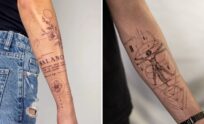
Tattoo Stencil Printer for Beginners: What to Look For

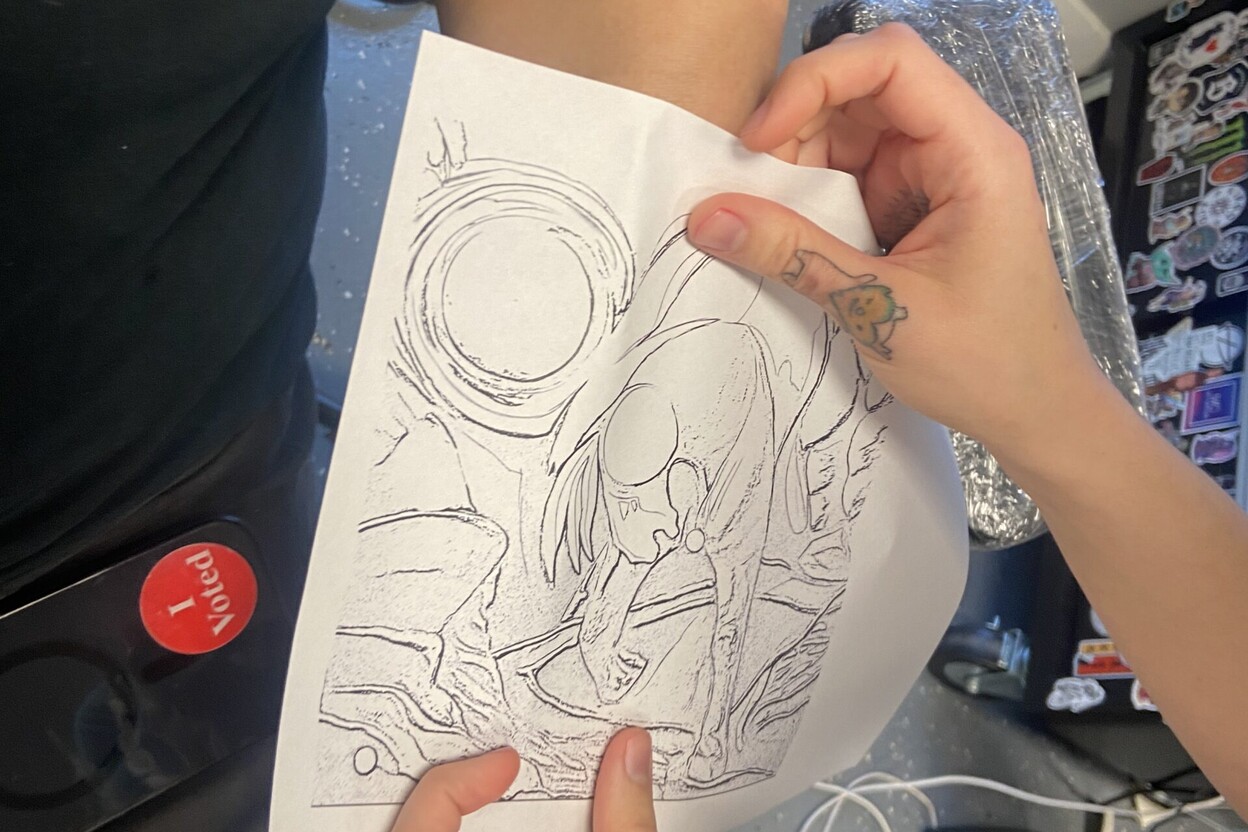
A tattoo stencil printer can save time when preparing designs, but the best starter device is the one that fits your workflow, not necessarily the one with the most features. If you are researching a tattoo stencil printer for beginners, compare the practical details below before buying.
Before buying a printer, review our guide to using tattoo stencil paper so you understand the paper layers, compatibility checks, and common setup mistakes.
1. Confirm the printer type
Many tattoo stencil printers use thermal transfer, but products differ in how they connect, accept files, and handle paper. Check that the device is specifically intended for tattoo stencil paper rather than assuming any compact thermal printer will work.
2. Check paper compatibility
Confirm the supported paper sizes, sheet format, and recommended brands. A low-cost printer can become expensive if compatible sheets are difficult to source or frequently jam. Read the manufacturer’s instructions for loading and handling the paper.
3. Look at line clarity
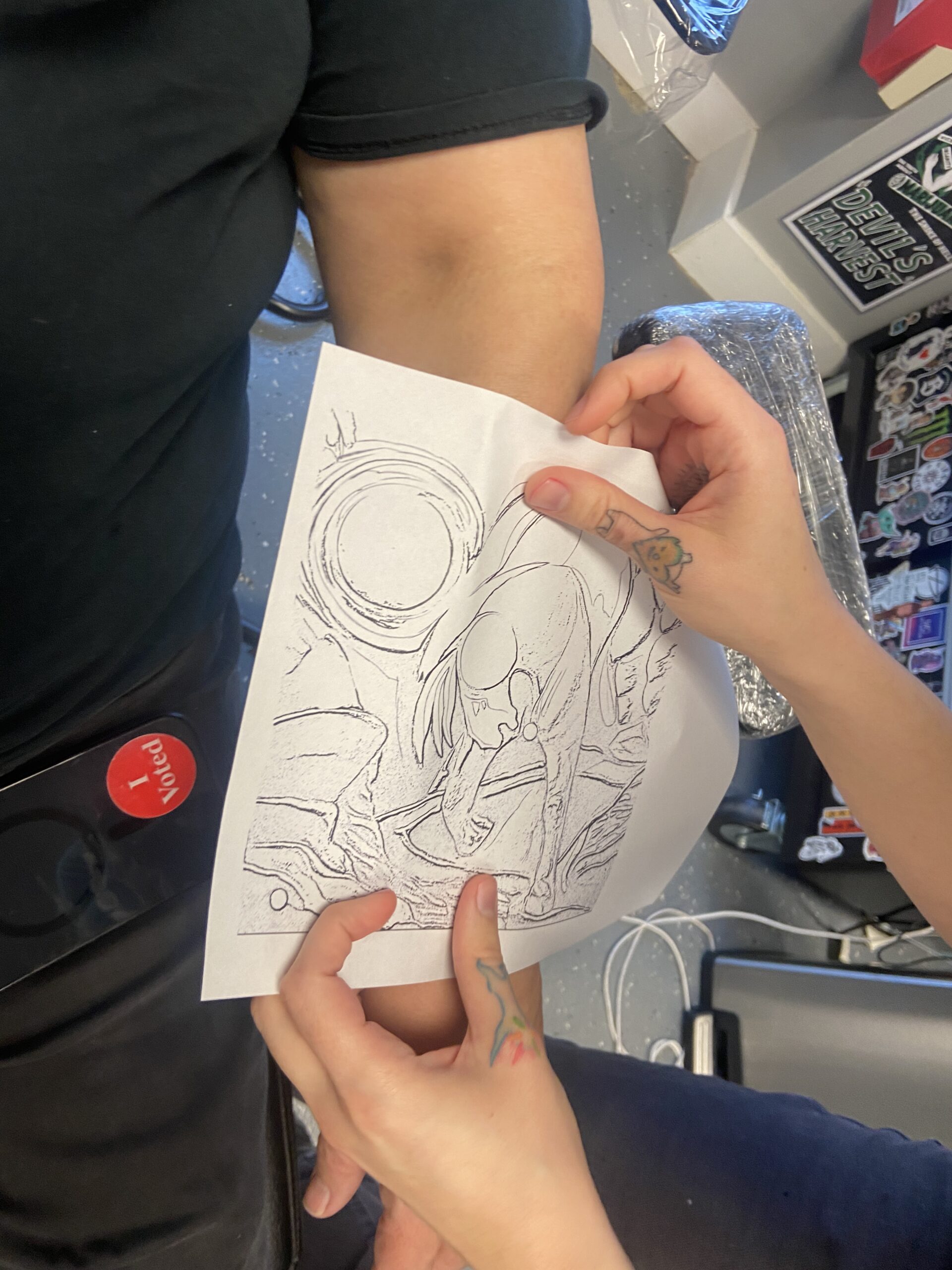
A stencil printer needs to reproduce the outlines that matter to the artist. Look for examples of fine lines, curves, and small details at realistic sizes. Reviews should show actual stencil output where possible, not only product renders. Remember that a complicated design may still need simplifying to transfer clearly.
4. Consider setup and connectivity
Check whether the printer works with your phone, tablet, or computer and whether its app supports the file types you use. Read about image resizing, mirroring, firmware support, and setup instructions. If you work across multiple devices, confirm compatibility before purchase.
5. Calculate the ongoing cost
Budget for stencil paper, replacement accessories if applicable, cleaning and maintenance supplies, and any required app or software costs. Compare cost per usable print rather than just the advertised device price. Easy access to replacement paper can matter more than a small difference in upfront price.
6. Prioritize support and warranty
Check the return policy, warranty, seller reputation, and availability of troubleshooting documentation. Look for repeated reports of paper feeding problems, inconsistent transfer, connection failures, or difficult support. A clear manual and dependable supplier are especially useful for beginners.
Features worth comparing
- Compatible stencil paper size and type
- Print clarity on thin lines and detailed artwork
- Supported devices and operating systems
- Ease of loading paper and replacing supplies
- Battery or power requirements
- Warranty, customer support, and return terms
- Total cost of printer plus consumables
Common buying mistakes
Avoid buying based only on a discount, choosing a device without confirming paper compatibility, or trusting reviews that do not show real output. Also avoid assuming the printer makes the tattoo process safe by itself. It only prepares a transfer; professional training, clean working practices, sterile equipment, and local compliance remain essential.
Should a beginner buy one?
If you frequently prepare designs and have access to supervised practice, a dedicated stencil printer may make your workflow more consistent. If you are only exploring drawing and design, start with paper-based practice or a compatible hand-tracing method before investing. Compare current models from reputable tattoo-supply sellers and verify specifications directly before purchase.
Frequently asked questions
Can I use any thermal printer for tattoo stencils?
No. Check the printer’s intended use and the manufacturer’s compatibility list for tattoo stencil paper.
What matters most in a starter printer?
Reliable paper feeding, clear output, easy setup, compatible supplies, and accessible support are sensible priorities.
Reader Discussion
0 Comments