






Best Stencil Stuff Alternatives for Tattoo Stencils

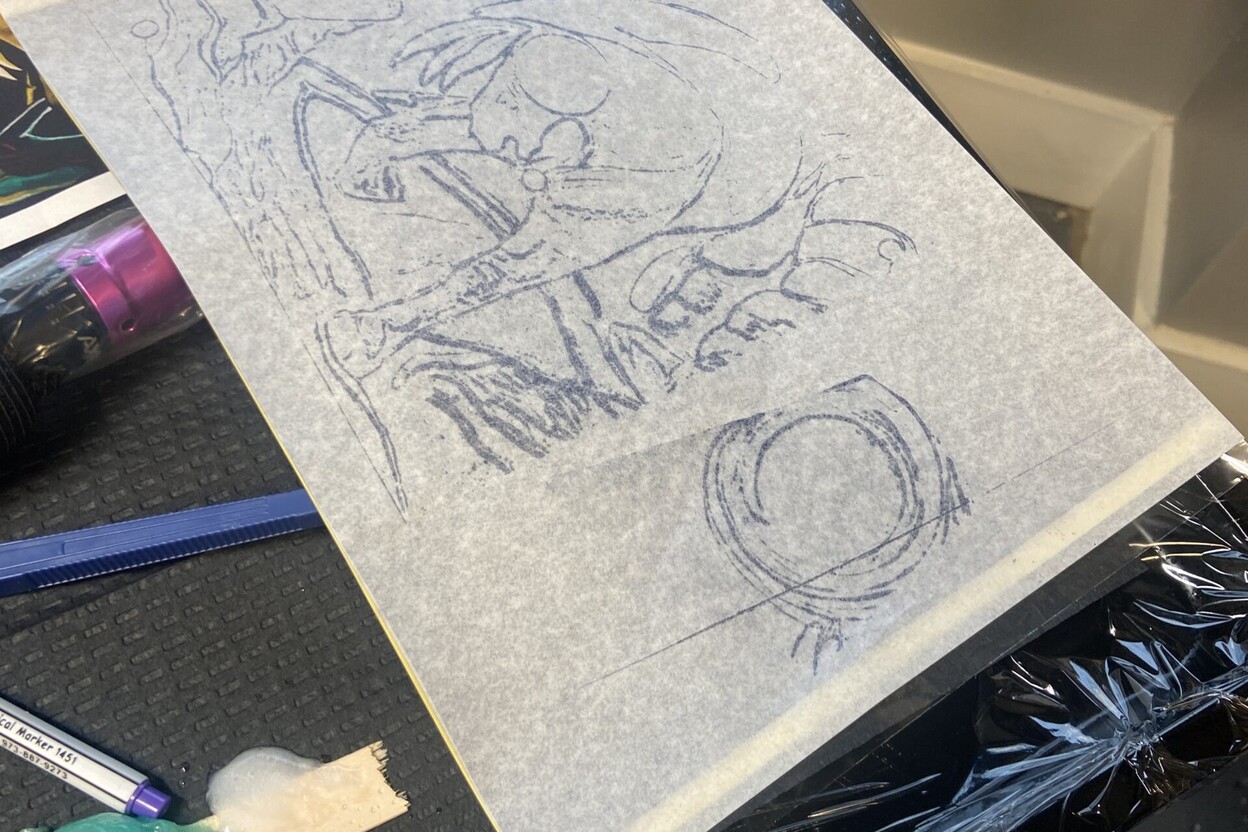
If you have run out of your usual stencil transfer gel, it is tempting to reach for something already in the studio or bathroom.
But the best Stencil Stuff alternative is not simply whatever makes paper stick to skin. A transfer product needs to be suitable for skin, compatible with the stencil method, and used according to its label.
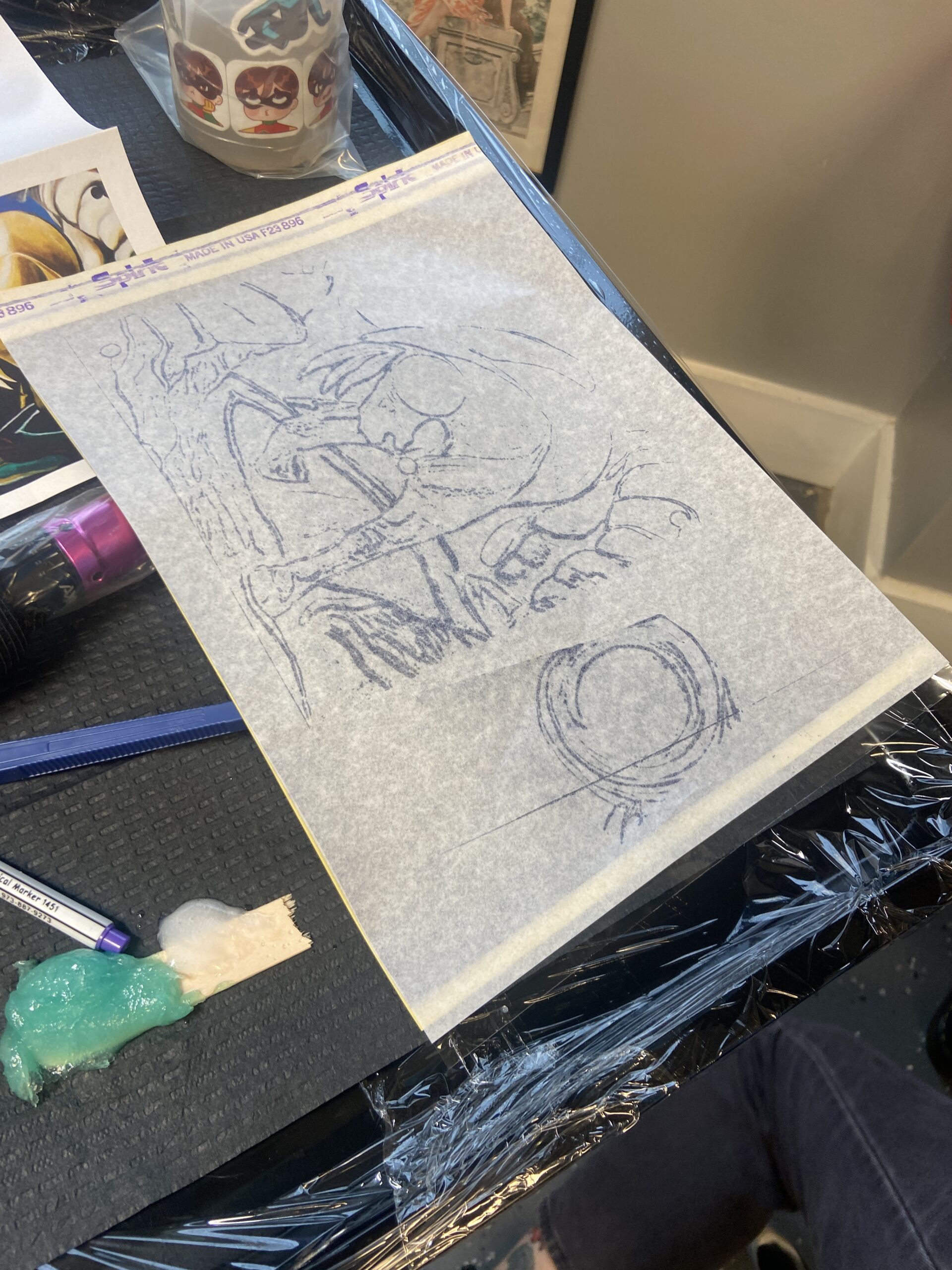
What makes a good alternative?
Look for a product specifically formulated for tattoo stencil transfer. It should provide controlled transfer, allow enough time to position the design, and set in a way that helps the lines remain readable.
Check the manufacturer’s directions, ingredient information, intended use, and any cautions. Do not assume two products work the same just because they look similar.
Options worth considering
1. Another tattoo-specific stencil transfer gel
This is usually the most straightforward replacement. Compare the recommended application method, setting time, skin-use directions, and compatibility with your paper.
Follow the label rather than carrying over the exact amount or timing from another brand.
2. A tattoo stencil transfer product in a different format
Some artists prefer a gel, while other products may have a different texture or applicator. Choose based on the manufacturer’s intended use and the workflow in your studio.
Test the setup on appropriate practice material when switching products.
3. The same product from a verified supplier
If a familiar product works reliably for your process, buying it from a reputable tattoo-supply source can be more predictable than experimenting with an unknown substitute.
Check the seal, label, batch information, and storage instructions.
What about deodorant, soap, or household products?
Online advice sometimes recommends deodorant, ordinary soap, petroleum jelly, or other household products as substitutes. These are not interchangeable with products designed for stencil transfer.
Formulations vary, they may irritate skin or interfere with transfer quality, and a product being sold for external use does not mean it is suitable for tattoo preparation. Do not use unapproved household chemicals or products on a client’s skin as a shortcut.
How to compare products
- Intended use: Is it specifically made for tattoo stencil transfer?
- Instructions: Are the application and setting directions clear?
- Skin cautions: Are ingredients, warnings, and use limitations available?
- Compatibility: Does it work with your stencil paper and workflow?
- Supply reliability: Can you source authentic, properly stored product?
- Cost per use: Compare realistic usage, not only bottle price.
If you run out during a session
Do not improvise on a client. Pause and obtain an appropriate transfer product or reschedule the transfer step according to studio policy.
A clear stencil and safe skin preparation matter more than saving a few minutes. If a new product causes unexpected irritation, stop using it and follow professional guidance for the situation.
Frequently asked questions
Is deodorant a safe Stencil Stuff alternative?
Do not assume it is safe or suitable. Deodorants are formulated for a different purpose and are not automatically appropriate for tattoo stencil transfer.
Can regular soap transfer a stencil?
Use only a transfer method and product intended for the task. Ordinary soap should not be treated as a universal replacement for tattoo transfer gel.
What should beginners buy?
Start with a clearly labeled tattoo-specific transfer product from a reputable supplier, and follow the directions for the product and stencil paper you use.

Reader Discussion
0 Comments