






How to Keep Tattoo Stencil From Wiping Off

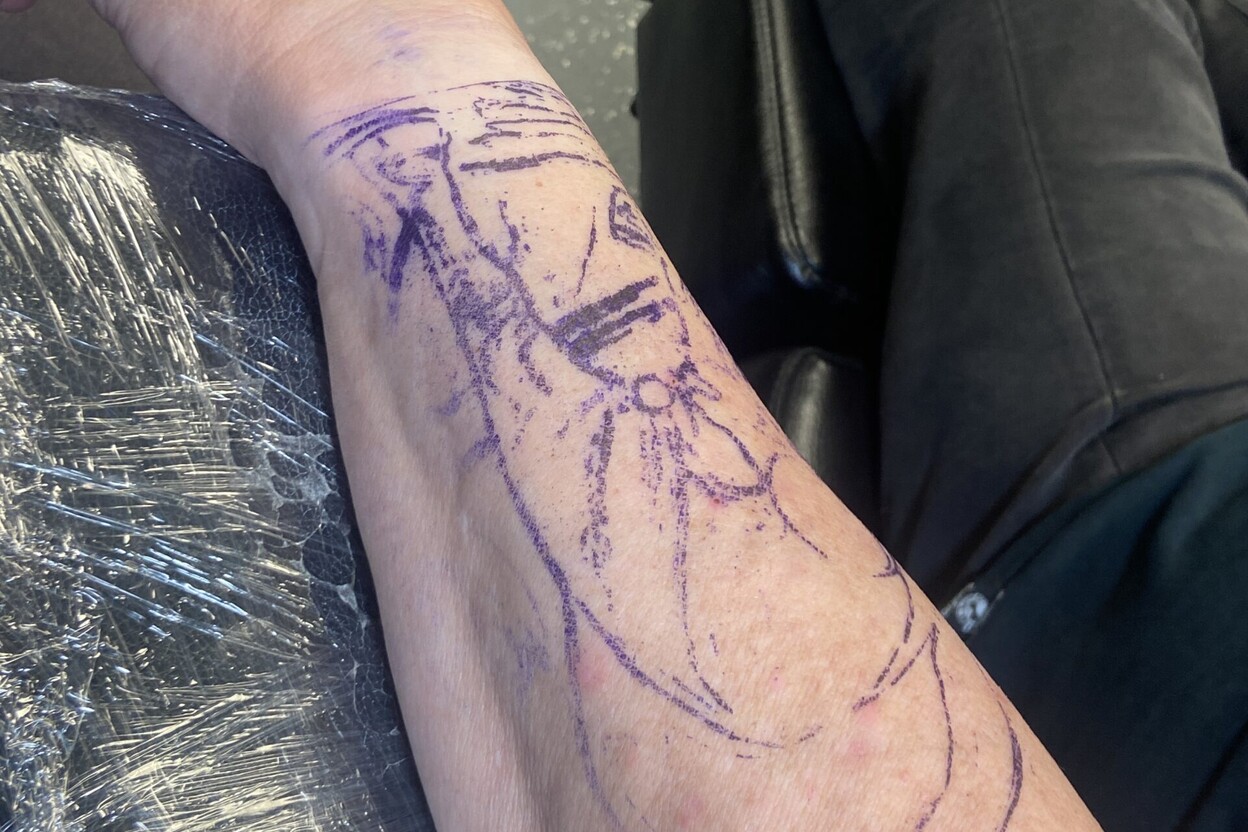
A stencil that disappears as soon as it is touched can interrupt a session and make the design difficult to follow. The fix is not always to press harder or add more transfer gel.
To understand how to keep a tattoo stencil from wiping off, check the whole transfer process and the instructions for the products you use.
If the stencil is faint or incomplete before it reaches the skin, start with our guide to using tattoo stencil paper to check sheet orientation, paper compatibility, and transfer setup.
1. Check the transfer product
Use a tattoo stencil transfer product intended for skin, and confirm that it is compatible with your paper and workflow. Different formulas have different application and setting directions.
Do not assume that a larger amount will create a stronger transfer; excess product may cause the stencil to slide.
2. Follow skin-preparation procedure
Skin should be prepared by a trained artist using the studio’s hygiene protocol and appropriate products. Residue or an incorrectly prepared surface can affect transfer quality.
Do not improvise with household cleaners or unapproved chemicals. Avoid transferring onto irritated or broken skin.
3. Keep the paper from moving
Most doubled or smeared stencils begin with movement during contact or removal. Check alignment first, place the paper carefully, and lift it according to the product’s instructions.
On curved areas, take extra care not to buckle or drag the paper.
4. Allow the stencil to set
Follow the transfer product’s recommended setting time before assessing durability. Touching, rubbing, or wiping the design too early can lift the lines. Avoid inventing a universal drying time because products and conditions vary.
5. Review how the area is handled
During a professional tattoo session, artists must follow appropriate hygiene and aftercare procedures. If the stencil is fading during necessary cleaning or work, pause and reassess the process rather than continuing with unclear marks.
The correct response depends on the product instructions and the studio’s protocol.
Quick troubleshooting table
| Problem | Possible cause | What to check |
|---|---|---|
| Stencil fades immediately | Transfer product or setting issue | Compatibility, amount, and label directions |
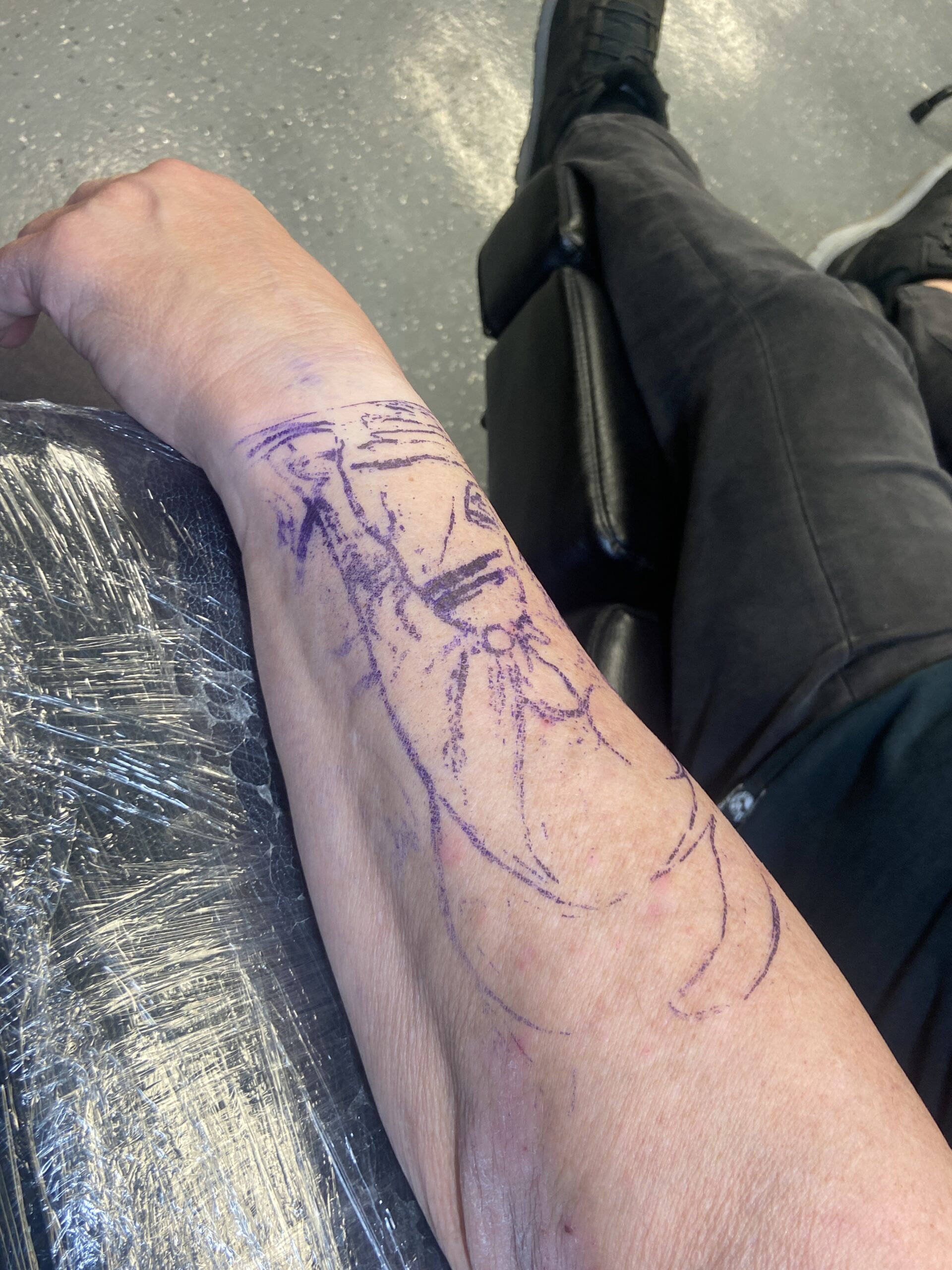
| Lines look doubled | Paper shifted during transfer | Placement and removal technique |
| Some lines are missing | Weak print or uneven contact | Paper orientation, print quality, and contact |
| Stencil smears when touched | It may not have set yet | Recommended setting time and handling |
What not to do
- Do not keep layering stencils over blurry lines.
- Do not use household products as an improvised transfer solution.
- Do not tattoo over a stencil that is too unclear to follow accurately.
- Do not ignore skin irritation or product warnings.
When should you start over?
If the stencil is misplaced, incomplete, smeared, or no longer readable, follow professional studio procedures to remove it, re-prepare the area, and apply a fresh transfer using clean supplies.
If a product causes an unexpected reaction, stop using it and follow appropriate professional guidance.
Frequently asked questions
Does more stencil gel make the stencil last longer?
Not necessarily. Too much product can make the paper move. Use the amount and method specified by the manufacturer.
Can I use hairspray to seal a stencil?
Do not assume hairspray is safe for tattoo preparation. Use only products intended for skin and stencil transfer, following their labels.

Reader Discussion
0 Comments