






Tattoo Stencil Paper: Types, Uses, and How to Choose

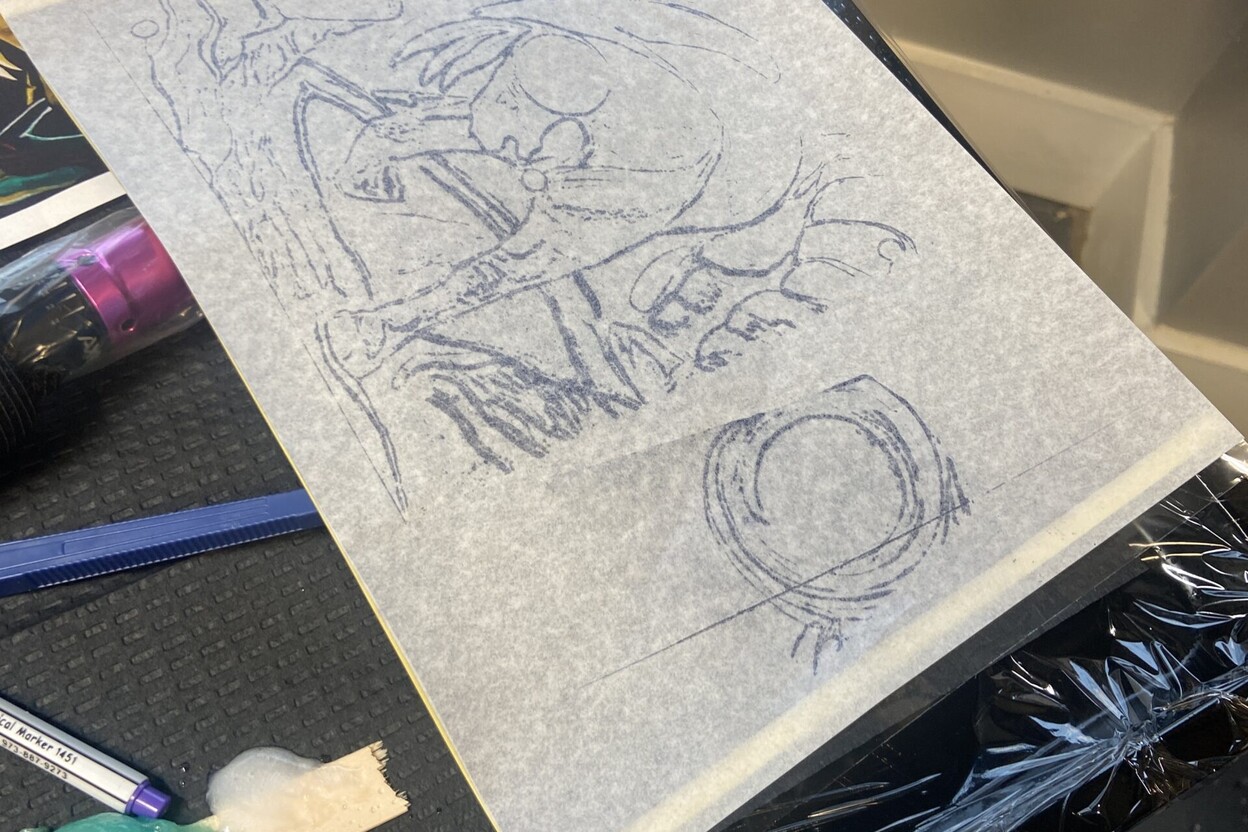
Tattoo stencil paper helps transfer a design onto a surface before tattooing, giving the artist a guide for placement and linework. The right paper depends on how the artwork is prepared, what equipment is available, and the instructions of the paper manufacturer.
This guide explains the main types, how they differ, and what to check before buying.
For the step-by-step workflow, see our companion guide on how to use tattoo stencil paper, from preparing the sheets to troubleshooting a faint transfer.
What is tattoo stencil paper?
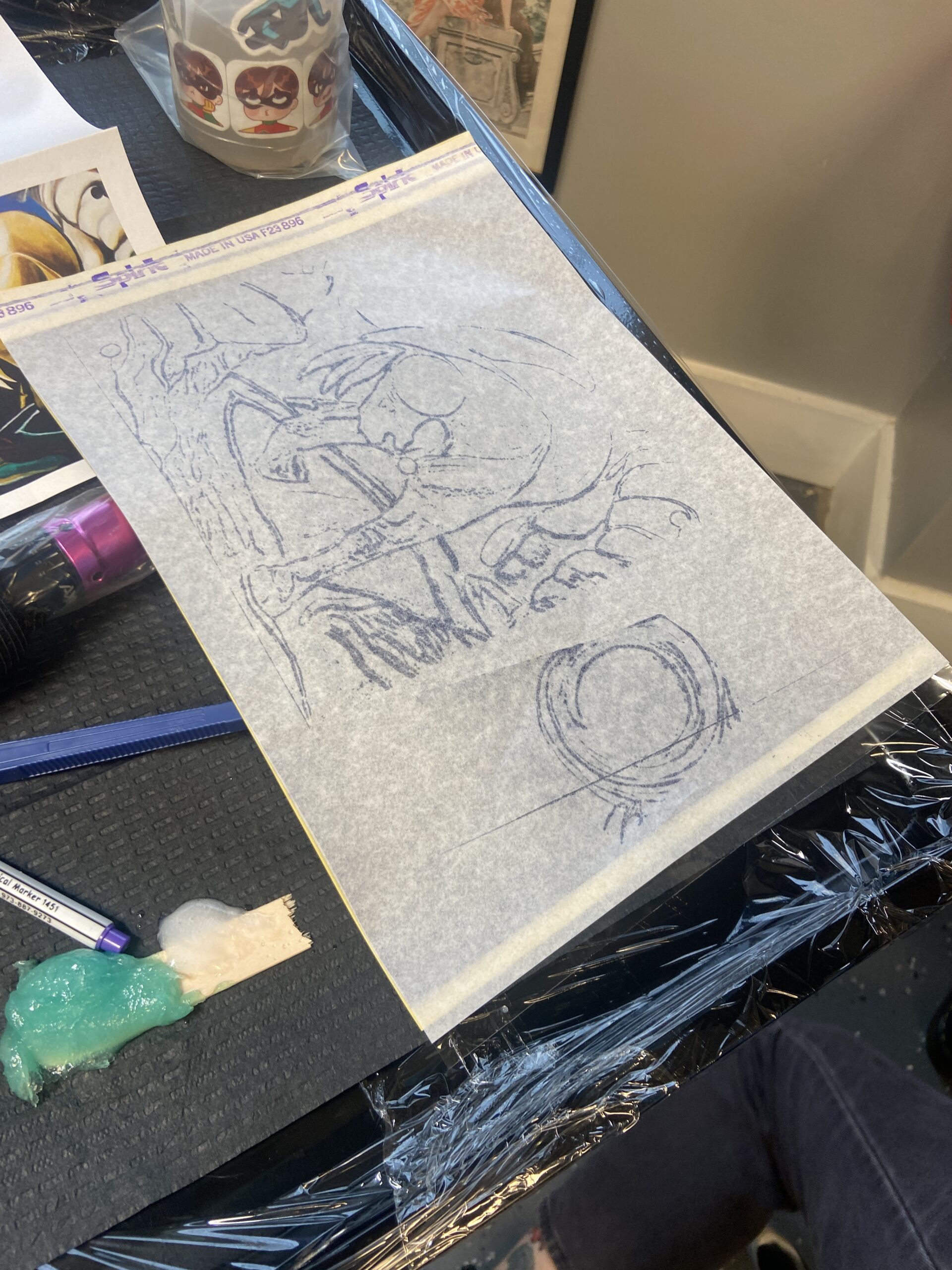
Stencil paper is designed to hold or transfer a temporary outline of a tattoo design. Common systems include paper used with a thermal stencil printer and paper intended for hand tracing.
They are not necessarily interchangeable, so always check the package and manufacturer’s instructions.
Main types of tattoo stencil paper
Thermal stencil paper
Thermal paper is used with a compatible thermal stencil printer. Heat transfers the design onto the appropriate layer of the sheet.
This method can be convenient for repeatable prints and detailed artwork, but results depend on the printer, paper, file, and loading orientation.
Hand-tracing stencil paper
Some papers are made for tracing a design manually with a recommended stylus or tracing tool.
This can be a useful lower-cost option for artists who do not own a thermal printer or who want to practice drawing and line control.
Practice templates
Ordinary paper templates are useful for sketching, checking proportions, and practicing placement on paper or synthetic skin. Do not assume that office paper, carbon paper, or craft materials are suitable for contact with human skin.
How to choose the right paper
- Match the method. Choose thermal sheets for a compatible thermal printer or a paper designed for hand tracing.
- Check dimensions. Make sure the sheet size fits the printer and the artwork you usually prepare.
- Review layer instructions. Sheet construction varies; confirm which protective layers should be removed and how to load the paper.
- Consider design detail. Very fine or crowded lines may not transfer clearly at a small size. Simplify or resize the artwork when needed.
- Check supply availability. Consider price per sheet, consistent availability, packaging, and seller reliability.
- Read warnings and storage directions. Keep supplies in suitable conditions and use them only as directed.
Thermal paper vs. hand-tracing paper
| Feature | Thermal paper | Hand-tracing paper |
|---|---|---|
| Equipment | Compatible thermal stencil printer | Recommended tracing tool |
| Best fit | Digital designs and repeatable output | Manual tracing and basic practice |
| What to verify | Printer compatibility and loading direction | Layer order and tracing instructions |
| Common issue | Blank or faint prints from setup errors | Uneven lines or paper movement |
How to get a clean transfer
Start with artwork that is correctly sized and oriented. Follow the paper instructions and test a new setup on appropriate practice material.
For use on skin, a trained artist should follow professional skin-preparation and hygiene procedures and use a transfer product specifically intended for that purpose.
Apply it as directed, prevent the paper from sliding, and allow the transfer to set according to the product label.
Common tattoo stencil paper mistakes
- Loading thermal sheets in the wrong direction
- Using paper that is incompatible with the printer
- Assuming all papers have the same number or order of layers
- Printing intricate artwork too small to remain readable
- Using expired, damaged, or improperly stored supplies
- Applying non-skin-safe materials to people
Do beginners need a thermal printer?
Not always. If you are practicing design and linework, paper sketches and synthetic skin may be enough at first. A thermal printer can be useful for repeated digital designs, but factor in the device, compatible paper, support, and ongoing supply costs before purchasing.
Frequently asked questions
Can tattoo stencil paper be used in a regular printer?
Only if the manufacturer explicitly says the paper and printer are compatible. Thermal stencil paper is generally designed for a matching thermal process, not ordinary office printing.
Which side of tattoo stencil paper is used?
That depends on the paper’s construction. Use the manufacturer’s layer diagram rather than guessing.
Is tattoo stencil paper safe on skin?
Use only products intended for that purpose and follow their warnings. The paper is one part of a professional workflow, not a substitute for safe preparation and training.

Reader Discussion
0 Comments